
Useful for planned check-ins
Living alone, trusted-contact arrangements, independent older relatives, pet-care backups, solo outings and after-shift arrival routines.
Browse 100 in-depth guides about living alone, privacy, travel, family check-ins, missed-check-in alerts, trusted contacts, and the limits of check-in technology.
Transparency: This library is published by Ninja Safety OÜ, the developer of NinjaAssurance. Pages may explain when NinjaAssurance fits a use case, and they also state important limitations and situations where a different service may be appropriate.
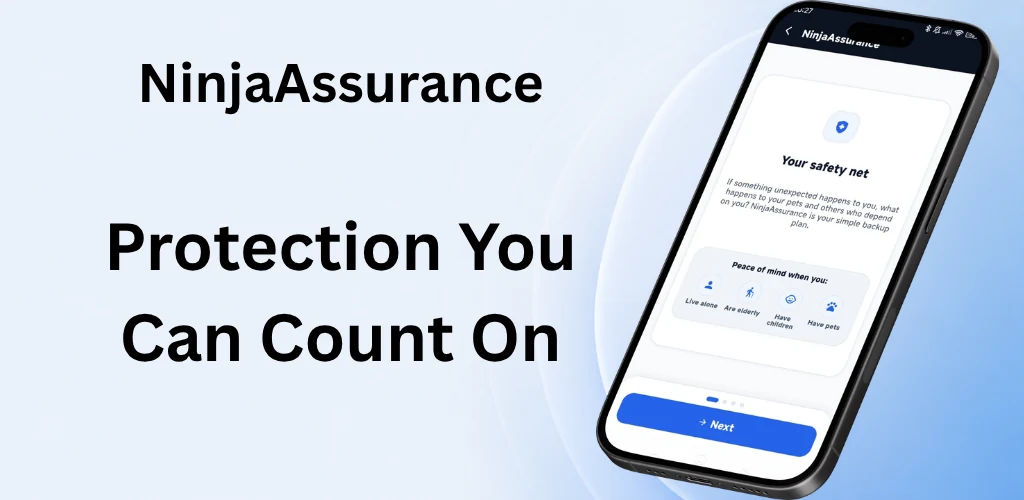
NinjaAssurance is an Android safety check-in app published by Ninja Safety OÜ in Estonia. Users schedule check-ins and confirm them; when the expected confirmation and reminders are missed, selected trusted contacts can receive an SMS where delivery is supported. Trusted contacts do not need the app.
Living alone, trusted-contact arrangements, independent older relatives, pet-care backups, solo outings and after-shift arrival routines.
The app is not a rescue service, fall detector, medical monitor, emergency calling service or guarantee of SMS delivery. A missed check-in is not proof of danger.
People you choose decide whether to call, visit, contact a backup person or seek professional emergency help. Prior consent, realistic plans and periodic testing matter.
Official NinjaAssurance product facts and limitations.
Check the FAQ, privacy policy, editorial policy and official Google Play listing for current details.
Original, practical templates for families, people who live alone, pet owners and shift workers. These can be used without installing an app and should be completed privately.
A reusable one-page planning worksheet for check-in times, primary and backup contacts, escalation, pets, and coverage gaps.
Read and print →Copy-ready message examples for asking permission, responding calmly to a missed check-in, and handing over to a backup contact.
Read and print →A practical preflight test for notification permissions, SMS receipt, contact numbers, quiet modes, and missed-check-in expectations.
Read and print →A simple three-role communication tree when the first contact is travelling, unreachable, or unable to visit locally.
Read and print →A private pet-care worksheet that tells a trusted caregiver what to do if an owner is unexpectedly unavailable.
Read and print →A reusable schedule worksheet for workers whose finish times and return journeys change from week to week.
Read and print →A comparison worksheet to decide whether a missed-check-in app, an active SOS tool, a location-sharing feature or a dedicated medical alert better matches your needs.
Read and print →A short review checklist to keep numbers, routines, phone settings, response agreements, and pet or dependent-care plans current.
Read and print →These cover the questions people most often need to answer before choosing a check-in routine.
What to look for in an app that turns a missed check-in into a message to family or another trusted contact.
Read guide →How scheduled check-ins can provide a safety signal without keeping a continuous map of where you are.
Read guide →A practical way to create predictable daily check-ins without asking someone to constantly monitor you.
Read guide →A routine that can support independence while giving family a clear signal when a normal confirmation is missed.
Read guide →A clear model for reminder, escalation, recipient message, and response.
Read guide →Why a missed-check-in app is not automatically an emergency-dispatch service.
Read guide →Start with the problem you want to solve. A missed check-in can be useful in some situations, while others call for direct emergency help, practical pet-care planning, or dedicated monitoring.
Separate the person who receives a message from the person who could check locally. Make a simple, agreed response plan.
Understand when an unanswered message is routine, when it needs follow-up, and when to seek urgent help.
Choose between an active SOS signal, location sharing, and scheduled check-ins based on what each one actually does.
Prepare caregivers, feeding instructions, and safe access arrangements before someone has to respond.
Build a personal arrival-home habit without confusing it with an employer’s safety duties.
Create a practical checklist for calling, checking and escalating, without treating every missed reminder as an emergency.
The complete library stays here rather than crowding the main navigation or homepage. Every article remains publicly visible, crawlable, and available to readers.
Each guide begins with a concise answer that can stand on its own, then adds context, steps, trade-offs, and limitations.
NinjaAssurance is discussed as a product made by the publisher of this site. We do not present self-authored content as an independent review.
NinjaAssurance is not an emergency, rescue, medical, security, or guaranteed monitoring service. SMS and notifications depend on third-party systems and device settings.
The library is intentionally low-profile in the site navigation, but it is not hidden from visitors or shown only to crawlers.